Profile: Tiered Access Protection for Contested Discussions
When heated arguments or bad-faith disruptions overwhelm an online community, locking discussions entirely can alienate constructive contributors. Many collaborative systems solve this challenge by establishing graduated permission boundaries. Under the framework detailed in Wikipedia:Protection policy - Wikipedia, page protection restricts modification rights to designated groups of accounts rather than concealing content from public view. This at-a-glance profile outlines the structure, thresholds, and administrative criteria behind tiered protection mechanisms designed to shield active discussions while preserving open participation.
The Graduated Protection Tier Structure
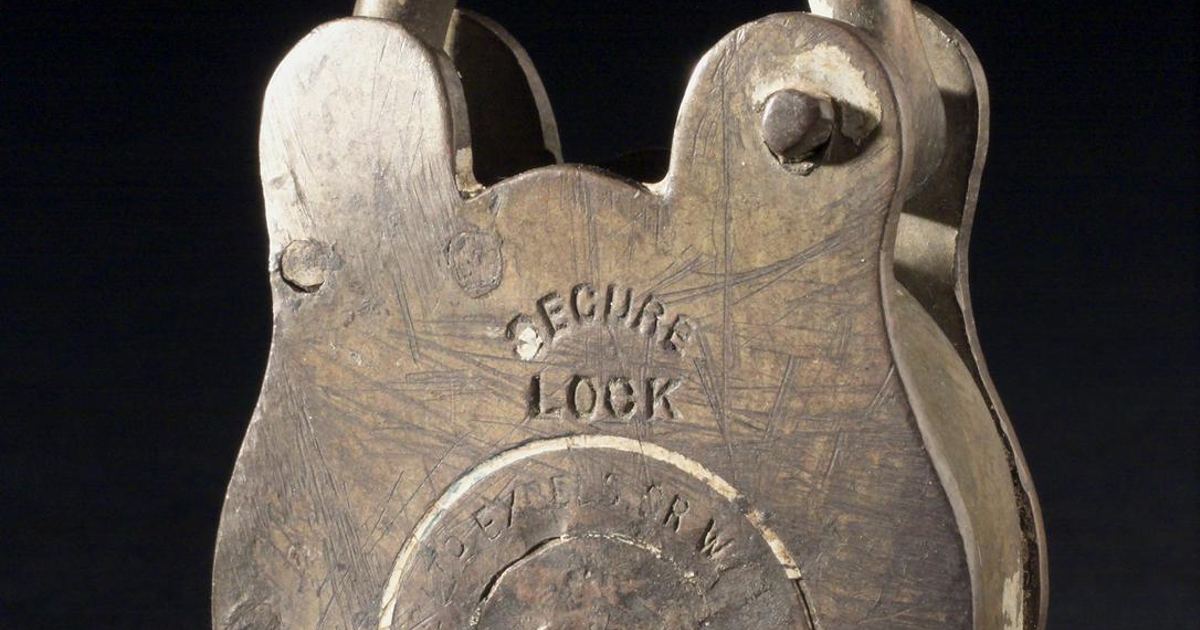
Tiered protection operates as an escalating defense system where administrators restrict actions only when disruption cannot be resolved through individual user blocks. Rather than hiding information, the source wikitext remains readable and copyable by any visitor, ensuring transparency throughout active disputes. A protected page signals its status with a padlock icon placed at the top right, usually added by page templates. Administrators applying restrictions must indicate the type of action restricted, the user level required to participate, and the duration of the restriction.
The hierarchy includes several standard operational tiers:
- Pending Changes Protection: Edits submitted by unregistered editors or unconfirmed accounts must be reviewed and approved by a designated reviewer or administrator before becoming visible to readers. Logged-in users can view pending edits before review. This tier is applied to infrequently edited pages experiencing disruption or policy violations.
- Semi-Protection: Disables edits from unregistered users and accounts that have not met confirmed tenure and activity thresholds. It mitigates persistent vandalism from newly registered accounts.
- Extended Confirmed Protection: Limits editing exclusively to established accounts with substantial tenure and edit counts, serving as an elevated barrier where lower tiers fail.
- Template and Interface Protection: Restricts high-risk site modules, scripts, and stylesheets so that only specialized technical editors or administrators can alter them.
- Full Protection: Halts editing for general members, permitting changes solely by administrators to stop ongoing edit warring or persistent disruption across veteran accounts.
- Office and Cascade Protection: Specialized measures reserved for Foundation interventions or structural protections that automatically shield pages transcluded onto core landing pages.
Tenure and Contribution Thresholds
A central advantage of tiered defense is the use of clear, objective qualification thresholds rather than arbitrary moderator intervention. Under the standards outlined in Wikipedia:Protection policy - Wikipedia, automated user tiers determine which accounts can bypass restrictions:
- Confirmed Status: Requires an account to be at least 4 days old and have completed at least 10 edits. Reaching this baseline enables participation on semi-protected pages.
- Extended Confirmed Status: Requires an account to be at least 30 days old and have accumulated more than 500 edits. This higher threshold excludes throwaway accounts created to bypass semi-protection on contentious topics.
Because extended confirmed protection strictly limits participation, it is not used as a protection level of first resort. Administrators deploy it only when semi-protection proves ineffective, or on contentious topics authorized under formal remedies. Community hosts reviewing a forum moderation guide can adopt similar objective tiers to isolate contested threads without punishing the broader membership.
Action Controls: Edits, Moves, Uploads, and Creation
Protection mechanisms target specific actions depending on how disruption occurs across a platform:
Edit protection limits changes to thread bodies, calming disputes and directing participants toward collaborative consensus. Creation protection, known as salting, prevents repeatedly deleted pages from being recreated. Creation restrictions are case-sensitive and listed in administrative indexes. Systems can also apply preemptive creation controls via title blacklists using substrings and regular expressions.
Move protection prevents bad-faith contributors from renaming pages or waging move wars. Fully edit-protected pages are implicitly move-protected. Similarly, file uploads can be upload-protected to prevent users from replacing existing media versions with vandalism, without restricting edits to the file description page unless edit protection is separately applied.
Administrative Workflows and De-escalation
Tiered protection is designed to facilitate dispute resolution rather than permanently silence debate. When full protection is applied due to edit warring, administrators do not endorse the live version of the page. Instead, the intervention directs disputants to the corresponding talk page, where revisions must be submitted as formal edit requests.
Once uncontroversial or consensus-backed revisions are prepared, authorized editors carry them out. Protective actions are recorded in public administrative logs. An administrator may unprotect a page or lower its protection level if the underlying reason no longer applies, a reasonable period has elapsed, and consensus does not require continued protection. When planning access gates, teams should also avoid rate limiting mistakes that lock out active forum debaters to prevent administrative tools from impeding healthy contributions.
Policy Guardrails Against Preemptive Overreach
A foundational principle of tiered access control is that protection should generally not be applied preemptively. Imposing restrictions before disruption occurs conflicts with open community participation. Technical protection must respond to documented, persistent disruption from multiple users, utilizing the lowest protection level sufficient to stop abuse for the shortest possible duration.
Specific exceptions exist only for high-visibility assets. Indefinite full protection applies to the Main Page and its templates. In addition, the Today's Featured Article entry is semi-protected from the day before its scheduled appearance until the day after it leaves the Main Page. Outside of committee remedies and these narrow operational cases, pages remain fully open to public participation.
Sources
Published October 30, 2026. No affiliate links on this page. Facts come from the sources linked above; check them for updates.