Choosing Between Peer Mediation and Binding Administrative Arbitration
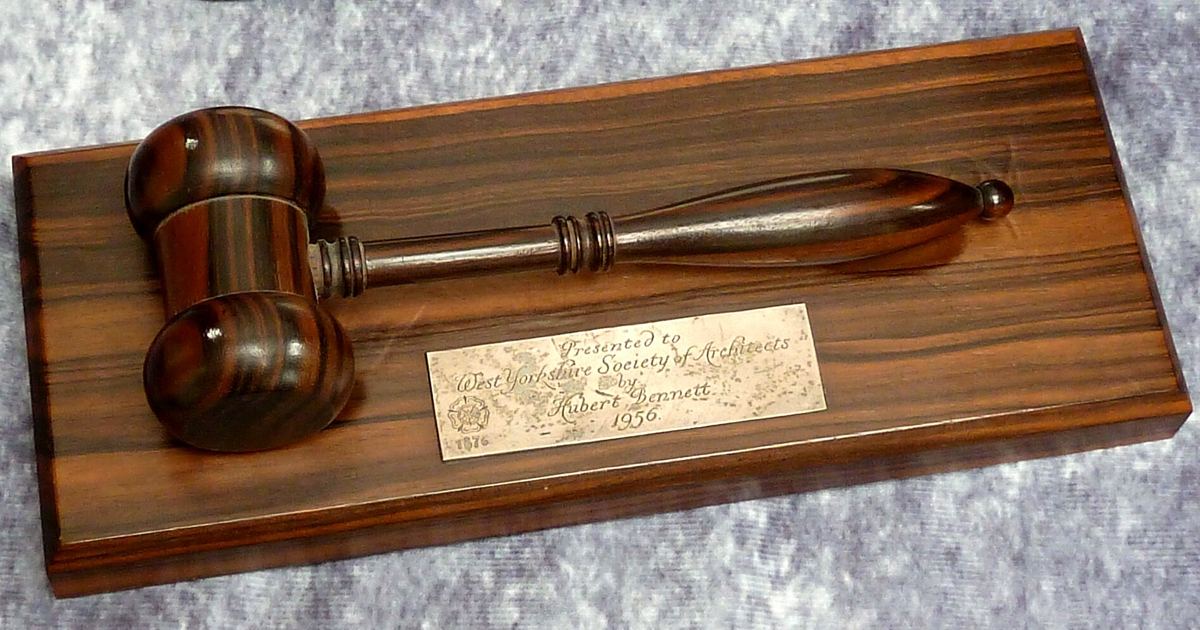
Disagreements are a natural part of running any community platform. When discussions stall, forum administrators and moderators need clear procedural steps to help participants resolve disagreements without creating unnecessary gridlock. This decision guide outlines how to determine whether an issue calls for informal direct discussion, peer-driven mediation, or escalation to binding administrative arbitration.
Step 1: Diagnose the Dispute Type (Content vs. Conduct)
Before selecting an avenue for resolution, determine whether the core problem concerns the substance of what is being published or how the participants are behaving. According to the Wikipedia: Dispute resolution framework, a dispute is defined by its root cause:
- Content disputes: Disagreements where two or more participants cannot agree on wording, neutrality, sourcing, or topics. If the matter would vanish once a mutual editorial agreement is found, it is a content dispute.
- Conduct disputes: Situations where a user's disruptive actions, incivility, or personal attacks represent the overriding issue. If there would be no substantive dispute without the disruptive behavior, it is a conduct dispute.
Clear classification prevents unnecessary escalation. For additional background on establishing healthy ground rules before friction occurs, consult our Forum Moderation Guide for New Community Owners.
Step 2: Require Direct Negotiation and Compromise First
Higher resolution mechanisms should rarely serve as the initial port of call. In the first instance, parties should approach one another directly on designated discussion spaces, such as article or user talk pages, rather than relying exclusively on brief edit summaries. Participants should follow established principles to de-escalate tension:
- Focus on content, not the contributor: Comment on the work rather than attacking the person. Personal attacks inflame discussions and weaken an argument.
- Seek incremental improvements: Rather than deleting salvageable material that is biased, out of date, or insufficiently sourced, participants should improve the text by adding neutral balance or citations.
- Aim high on Graham's hierarchy of disagreement: Parties must engage with the actual core points being raised and propose concrete compromises or truces.
- Exercise the option to disengage: Because online platforms generally operate without artificial deadlines and perfection is not required, participants can step back, sleep on the issue, or redirect their attention to other topics. With 7,256,519 articles on English Wikipedia, there are always alternative constructive areas to edit.
Demonstrating sustained, good-faith dialogue is a formal prerequisite before invoking higher dispute resolution channels.
Step 3: Select an Informal Peer Resolution Avenue
When direct conversation between the participants reaches a genuine stalemate, the next step is soliciting neutral outside input without imposing administrative force. Match the scenario to the following mechanisms:
- Third Opinion: Best suited for minor deadlocks involving only two editors. Bringing in a single uninvolved peer can provide fresh perspective without turning the matter into a large-scale debate.
- Specialized Content Noticeboards: Useful when an impasse hinges on technical rules or topical guidelines. Noticeboard venues exist for specific problems, including Reliable sources, Biographies of living persons, Conflict of interest, Fringe theories, Neutral point of view, External links, and No original research.
- Subject-Matter Working Groups: When a debate centers on a specialized topic, reaching out to the talk page of a relevant WikiProject—such as referencing a military dispute on the talk page of the military history project—helps centralize input from knowledgeable, uninvolved contributors.
- Requested Moves: When conflict surrounds the title of an article, opening a structured request solicits broader feedback while keeping the page at its stable title during discussion.
Step 4: Facilitate Non-Binding Mediation and Community Requests for Comment
If direct peer feedback does not produce consensus, structured non-binding processes offer facilitated negotiation. The Dispute resolution noticeboard provides an avenue where experienced, uninvolved volunteer mediators assist parties in finding compromise. This pathway requires that both sides genuinely want outside assistance and remain willing to compromise.
For broader editorial deadlocks, opening a formal Request for comment invites community-wide participation. These discussions can be publicized on relevant noticeboards or project pages, while automated bots alert participant pools through services like the feedback request service. If you are developing your own pool of community facilitators, see our advice on how to recruit and support volunteer forum moderators.
Step 5: Reserve Binding Administrative Assistance and Arbitration for Conduct
Voluntary mediation fails when participants engage in disruptive behavior or refuse to adhere to community standards. When behavioral issues dominate, dispute channels shift toward administrative oversight:
- Administrator Assistance and Incident Noticeboards: If direct warnings on user talk pages fail to stop disruptive editing, administrators review the conduct and apply enforcement measures where necessary.
- The Arbitration Committee: Serving as the final avenue of appeal for complex, intractable disputes, arbitration examines severe conduct issues and issues binding determinations.
As documented in the Wikipedia: Dispute resolution policy, participation across resolution avenues remains voluntary, and no editor can be forced to participate. However, consensus may still be established in their absence, and administrators weigh an individual's willingness to engage constructively when evaluating whether their activities have been productive.
Sources
Wikipedia: Dispute resolution - Wikipedia
Published October 30, 2026. No affiliate links on this page. Facts come from the sources linked above; check them for updates.